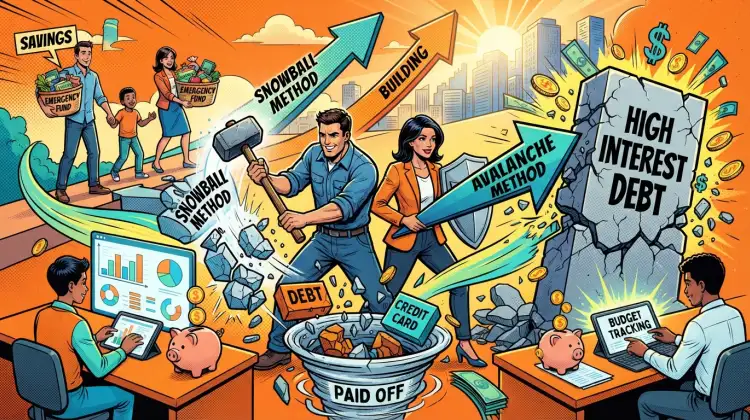
An emergency fund is money set aside to cover unexpected expenses—a job loss, a medical bill, a car repair, or a broken appliance—without forcing you into credit card debt or raiding your retirement accounts. It is one of the most fundamental pieces of a sound financial plan, and unlike investing, its job is not to grow your wealth. Its job is to keep a temporary setback from becoming a long-term financial crisis.
This guide covers the emergency fund basics: how much to save, where to keep the money, how to build it, and the mistakes to avoid.
What Counts as an Emergency
An emergency fund is reserved for expenses that are unexpected, necessary, and urgent. A layoff, a sudden medical expense, a necessary home or auto repair, or an urgent trip to help a family member all qualify. A sale on concert tickets, a vacation, or holiday gifts do not—those belong in a separate sinking fund you budget for in advance.
Defining this line clearly is important. If you dip into the fund for non-emergencies, it will not be there when you actually need it. Many households keep a small buffer in checking for routine irregular costs and treat the emergency fund as a separate, last-resort reserve.
How Much Should You Save?
The standard guidance is to save three to six months of essential living expenses. Note that this means expenses, not income—housing, utilities, groceries, insurance, transportation, minimum debt payments, and other must-pay costs. If your take-home pay is $5,000 a month but your essential expenses are $3,500, your target range is roughly $10,500 to $21,000.
Several factors should push you toward the higher end or even beyond six months:
- Income stability: Commission-based, freelance, or single-income households face more variability and benefit from a larger cushion.
- Job market: Specialized roles or industries with longer hiring timelines warrant more savings.
- Dependents: Children or family members relying on your income increase the cost of any disruption.
- Fixed obligations: A mortgage, student loans, or a car payment cannot be paused easily.
- Health and insurance: High-deductible health plans mean a larger out-of-pocket exposure.
If you are early in your career or have very stable income and low fixed costs, three months may be sufficient. Dual-income households with steady salaries can often sit comfortably at the lower end of the range.
Where to Keep Your Emergency Fund
Your emergency fund needs to be safe, liquid, and separate from your everyday spending. That combination points to a high-yield savings account (HYSA) at a federally insured bank or credit union, where deposits are protected by FDIC or NCUA insurance up to the applicable limits. A money market deposit account is another reasonable option.
Avoid keeping the fund in stocks or other investments. The value of equities can fall sharply right when you lose your job—precisely when you need the money. Certificates of deposit can work for a portion of the fund, but early-withdrawal penalties reduce flexibility. Keep the money in an account you can access within a day or two, and consider keeping it at a different institution from your checking account to add a small amount of friction against impulse withdrawals.
Because savings rates vary widely, it is worth comparing yields periodically. Even a modest difference in annual percentage yield (APY) compounds over time and helps your fund keep pace with inflation.
How to Build Your Fund Step by Step
- Start with a starter fund. Aim for $1,000 first, or one month of essential expenses if that is more realistic. This small buffer handles most common emergencies.
- Automate transfers. Set up a recurring transfer from checking to your savings account on payday. Treat it like a bill you pay yourself.
- Use windfalls. Direct tax refunds, bonuses, and gifts toward the fund until you reach your target.
- Prioritize high-interest debt carefully. If you carry credit card balances at high interest rates, many planners suggest building a starter fund first, then splitting extra money between debt payoff and the full emergency fund.
- Replenish after use. After you spend from the fund, rebuild it before resuming other discretionary goals.
Track your progress against a specific dollar target rather than a vague goal. Knowing you need $12,000 and have $7,400 saved makes the next step concrete.
Common Mistakes to Avoid
- Investing the fund: Market risk and emergency timing do not mix.
- Keeping it in checking: It blends into spending money and is easy to drain.
- Setting the target too high before starting: A six-month goal can feel overwhelming; start small and build.
- Forgetting to revisit the target: Update your number when your rent, income, or family situation changes.
- Using it for predictable costs: Car maintenance, holidays, and insurance premiums should be budgeted separately.
What to Remember
An emergency fund is the foundation that keeps a surprise expense from turning into debt. Aim for three to six months of essential expenses, adjust based on your income stability and obligations, and keep the money in a federally insured, easily accessible savings account. Start with a small buffer, automate your savings, and replenish the fund after you use it. Review the target once a year or whenever your circumstances change. A fully funded emergency fund will not make headlines, but it will give you options when life does not go as planned.