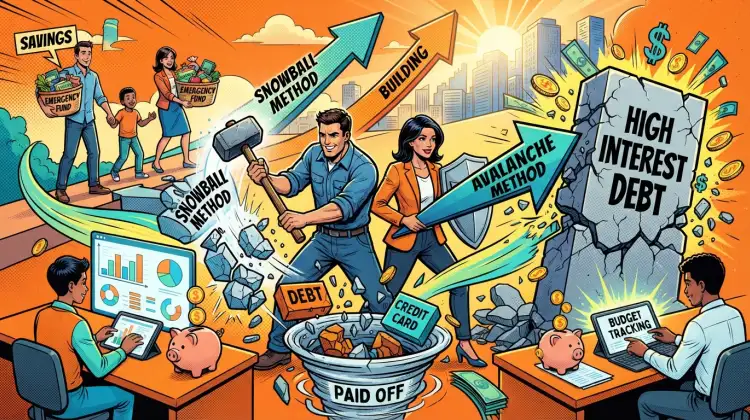
Saving money each month is less about willpower and more about systems. Households that consistently set money aside usually do three things: they know where their cash goes, they move savings out of reach automatically, and they attack recurring costs that quietly drain accounts. According to the Federal Reserve's Survey of Consumer Finances, many US families hold far less in emergency savings than the three to six months of expenses that financial planners commonly recommend, which makes a repeatable monthly saving routine especially valuable.
This guide walks through a practical process you can start this month, using tools most US banks and employers already offer.
1. Start With a Realistic Monthly Budget
You cannot save what you cannot see. Track one full month of spending before setting a savings target. Pull statements from your checking account, credit cards, and any payment apps, then sort expenses into fixed costs (rent or mortgage, insurance, loan payments), variable needs (groceries, utilities, gas), and discretionary spending (dining out, subscriptions, entertainment).
A common starting framework is the 50/30/20 rule: about 50% of after-tax income for needs, 30% for wants, and 20% for savings and debt repayment. It is a guideline, not a law. In high-cost metros, needs may exceed 50%, so adjust the split to match your reality and protect a smaller but consistent savings amount.
Use a simple spreadsheet, a budgeting app, or your bank's built-in spending categories. The goal is a monthly number you can act on, not a perfect ledger.
2. Automate Savings So You Do Not Have to Decide
The most reliable saver is the one you never see. Set up an automatic transfer from checking to a dedicated high-yield savings account on payday. Because the money moves before you have a chance to spend it, you treat savings like a bill.
- Time it to payday. Schedule transfers the same day your direct deposit lands.
- Start small. Even $50 per paycheck builds the habit; increase it after a month or two.
- Keep savings separate. A savings account at a different institution or without a linked debit card reduces the temptation to dip in.
- Use employer tools. If your workplace offers a 401(k) with an employer match, contribute at least enough to capture the full match — it is an immediate return on your money.
Many banks also offer round-up programs that sweep spare change into savings, which can add a modest amount each month without effort.
3. Cut Recurring Costs Before Cutting Small Treats
One-time sacrifices feel good but rarely move the needle. Recurring expenses compound. A $15 monthly subscription you cancel saves $180 a year; trimming a $120 cable or streaming bundle saves $1,440.
- Audit subscriptions. Review bank and card statements for recurring charges and cancel anything you have not used in 60 days.
- Shop your insurance. Getting two or three quotes for auto and homeowners or renters coverage every year or two can lower premiums meaningfully.
- Refinance or consolidate high-interest debt. Credit card APRs are often well above 20%; moving a balance to a lower-rate personal loan or balance transfer card can free up cash each month.
- Call providers. Internet and phone companies frequently have retention offers for customers who ask.
Redirect every dollar you free up into your automatic savings transfer so the savings actually happen.
4. Build a Buffer and Pay Yourself First
An emergency fund is the foundation of monthly saving. Without one, a car repair or medical bill goes on a credit card and erases progress. Aim first for $1,000, then build toward three to six months of essential expenses. Keep this money in a liquid, federally insured account — FDIC-insured at banks or NCUA-insured at credit unions — so it is safe and accessible.
Separately, consider sinking funds for predictable irregular costs: car maintenance, holidays, and annual insurance premiums. Setting aside a fixed amount each month for these prevents them from wrecking your budget when they arrive.
5. Make Spending Decisions With a Short Pause
Behavior matters as much as math. A 24-hour rule for non-essential purchases over a set dollar amount — say $50 — reduces impulse buys. Unsubscribe from marketing emails, remove saved card details from shopping sites, and shop with a list. Small, repeated choices add up: bringing lunch three days a week or brewing coffee at home can free $100 or more monthly, which is real savings when routed automatically.
Review your progress monthly. A 15-minute check-in to compare spending against your plan keeps the system honest and lets you adjust as income or expenses change.
What to Remember
Saving each month works best as a system: know your numbers with a realistic budget, automate transfers on payday, cut recurring costs before chasing small sacrifices, and build an emergency buffer so setbacks do not undo progress. Start with one change this month — an automatic transfer or a subscription audit — and build from there. Consistency, not intensity, is what grows a balance over time.